Snowboarding Skills Guide

Malcolm
| 28-11-2026
 · Sport Team
Snowboarding is an exciting winter activity that combines balance, coordination, and control. For beginners, learning to move confidently on a board may take time, but mastering a few basic techniques can make a big difference.
From finding the right stance to controlling speed and changing direction, each skill helps riders become more comfortable and improve gradually.
Getting Started: Stance and Balance
A comfortable standing position is the foundation of snowboarding. Keep your knees slightly bent, your back upright, and your head raised. Your arms should remain relaxed and can extend slightly to help maintain balance.
Beginners can start on flat ground by putting on the board and getting familiar with its weight. Try moving one foot at a time to discover which foot feels more comfortable at the front.
Your eyes are also important when riding. Look toward the direction you want to travel instead of staring at the board. Keep your shoulders relaxed and allow your knees and ankles to respond naturally to small movements.
Braking and Controlling Speed
Learning to slow down is just as important as moving forward. Beginners should practice stopping before attempting longer or faster runs.
When braking, bend your knees and apply pressure gradually through both legs. Avoid sudden movements, as they can make the board unstable.
Two useful exercises are heel-edge and toe-edge movements. With the heel edge, raise your toes slightly and use the board's edge to control your movement. With the toe edge, shift pressure toward your toes while keeping your upper body upright.
These exercises help riders understand how the board responds to pressure and develop better speed control.
Learning to Turn
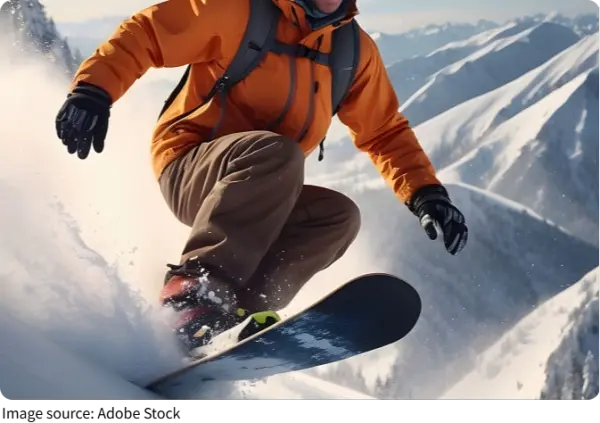
Turning allows snowboarders to change direction and manage their movement across a slope. Basic practice includes straight gliding, heel-edge turns, and toe-edge turns.
For a toe-edge turn, gradually shift pressure toward your toes and allow the board to follow the intended direction. For a heel-edge turn, transfer pressure toward your heels. Keep your movements smooth and avoid twisting your upper body too sharply.
Another useful exercise is the falling-leaf technique. The board moves gently from side to side while the rider controls its direction using the edges. This exercise improves balance and helps beginners become familiar with directional control.
Changing Edges Smoothly
After becoming comfortable with basic turns and braking, riders can practice changing edges. This involves transferring pressure from one edge of the board to the other during a turn.
Start slowly on a wide, suitable slope. Shift your weight gradually and pay attention to the timing of each movement. Keep your upper body relaxed rather than making sudden adjustments.
Practice first at a controlled speed. As your confidence improves, introduce edge changes during continuous gliding. Always leave enough space between yourself and other riders.
Developing Advanced Skills
More experienced snowboarders can explore carving and wave-shaped turns. Carving uses the board's edge to create smooth, controlled curves across the snow. It requires good balance, accurate pressure control, and coordination.
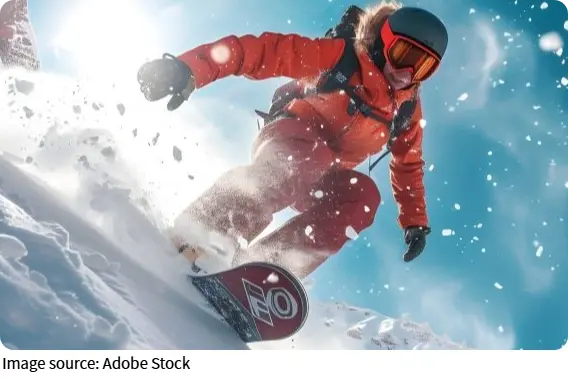
Jumping and aerial movements are also advanced techniques. They require experience and strong body control, so beginners should focus on basic skills before attempting them. Progressing gradually helps riders develop confidence without taking unnecessary risks.
Safety and Practice Tips
Wear suitable protective equipment, including a helmet, hip protection, knee pads, and elbow pads. These items can help reduce the risk of injury during falls.
Before riding, become familiar with the slope layout and notice possible obstacles. Choose an area that matches your ability and avoid crowded sections when practicing unfamiliar movements.
If you encounter difficulties, ask resort staff or experienced instructors for assistance. Professional lessons can also help correct posture and improve technique.
Final Thoughts
Becoming a confident snowboarder takes patience and regular practice. Start with a stable stance, learn to control your speed, and gradually develop turning and edge-changing skills. Once these foundations become familiar, more advanced techniques will feel easier to approach. With sensible preparation and steady progress, every session can become a valuable learning experience.
Beginner to Intermediate Snowboarder Progression
Video by SnowboardProCamp