Indoor Climbing Basics

Vivienne
| 28-11-2026
 · Sport Team
Indoor climbing is an enjoyable activity that combines physical exercise, coordination, and personal challenges. It has become increasingly popular as more people discover the benefits of climbing in a controlled environment.
Whether trying it for the first time or improving existing abilities, understanding basic techniques is essential. Good hand movements, careful footwork, physical fitness, and safety awareness all contribute to a more comfortable climbing experience.
Understanding Hand Techniques
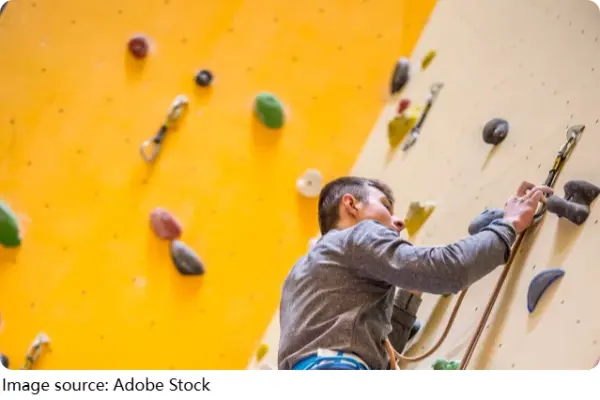
Hands play an important role in indoor climbing. Climbers use their fingers and palms to grip raised sections, narrow edges, and other features on the wall. However, successful climbing depends on more than hand strength. Choosing the right grip and positioning the arms correctly are equally important.
When reaching for an upper hold, climbers should look for a secure position before shifting their weight. Depending on the shape of the hold, they may use their fingertips to grip a narrow edge or their whole hand around a larger feature.
Keeping the arms close to the wall when appropriate can also improve control. Smooth movements help climbers avoid unnecessary effort and maintain balance. Learning different gripping techniques makes it easier to handle routes with different shapes and levels of difficulty.
Developing Better Footwork
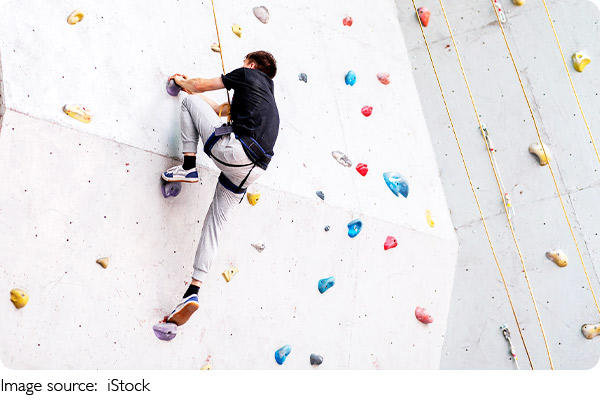
Footwork is just as important as hand technique. The feet provide support, help maintain balance, and allow climbers to move their weight efficiently. Good foot placement can also reduce pressure on the arms.
Climbers should examine available footholds before moving. Using the front part of a climbing shoe can provide better control on smaller footholds. Slightly rotating the feet may also help create a more comfortable position.
Changing feet on the same foothold is another useful skill. For example, when transferring support from the right foot to the left, the climber first brings the left foot above the right. The right foot then rotates slightly to create space. After the left foot finds a secure position, the right foot can move away.
Performing this movement smoothly helps maintain balance and prevents unnecessary strain on the hands.
Making Safety a Priority
Safety should always come before climbing speed or difficulty. Proper preparation and equipment checks are essential.
Belayer support: During rope climbing, a belayer manages the rope and monitors the climber. Their attention should remain focused throughout the activity. Clear communication helps both people understand movements and respond correctly.
Personal preparation: Comfortable clothing and properly fitted climbing shoes help climbers move more confidently. Warming up before climbing prepares the muscles and joints for physical activity and helps reduce the risk of injury.
Equipment checks: A climbing harness, helmet, and rope must be used correctly. Climbers should learn how to wear and adjust protective equipment according to the facility's instructions. They should also understand the correct descending method and check that equipment connections are secure.
Building Strength and Endurance
Indoor climbing involves several muscle groups. The forearms, wrists, upper arms, shoulders, and back help control gripping and upper-body movement. Meanwhile, the legs provide support, and the abdominal muscles help stabilize the body.
Regular climbing can exercise much of the body through different movements and routes. However, strength alone is not enough. Climbers also need endurance to maintain control and concentration throughout a route.
Flexibility is another valuable quality. Comfortable movement in the hips, legs, and shoulders makes it easier to reach distant holds and adjust body positions. Simple flexibility exercises can complement regular climbing practice.
Beginners should increase their activity gradually rather than immediately attempting difficult routes. Taking breaks also gives the muscles time to recover.
Final Thoughts
Indoor climbing offers an engaging combination of exercise, coordination, and personal achievement. Effective hand techniques help maintain secure grips, while careful footwork improves balance and movement. Proper equipment, preparation, and belayer support are equally important for safety.
With patience and regular practice, beginners can develop better control, strength, and confidence. Every successful movement provides an opportunity to learn, making indoor climbing an enjoyable activity for people who want to stay active and challenge themselves.
Just Started Climbing? Watch This - Indoor Climbing for Beginners
Video by Send Edition