Guitar Care Tips

Declan Kennedy
| 11-08-2026
 · Art Team
Lykkers, have you ever picked up your guitar and noticed that the strings feel rough, the sound has changed, or the instrument does not feel as comfortable as it once did? These small changes can happen gradually, especially when we play often but do not spend much time on care.
The good news is that keeping a guitar in good condition does not require a complicated routine. With a few simple habits, we can protect its appearance, improve playing comfort, and help it stay ready for our next practice session.
1. Check the Guitar Regularly
We can begin with a quick inspection every few weeks. Look carefully at the strings and check whether they appear loose, worn, or close to breaking. Old strings may also lose their smooth feel and produce a weaker sound.
We should also look at the frets and bridge. If a fret looks unusually worn or the bridge seems loose, it is better to have the instrument examined by a qualified repair professional. A short inspection can help us notice small problems before they become more difficult to fix.
2. Control the Humidity
Most guitars contain wood, so changes in humidity can affect their condition. An environment that is too damp may cause the wood to expand, while very dry air can increase the chance of cracks or other changes in shape.
We can keep the guitar in a stable indoor environment and avoid areas with frequent moisture changes. When storing it for a long period, a suitable case and humidity-control accessory can offer additional protection. We should also avoid placing the instrument directly beside a damp window, heater, or other source of strong temperature changes.
3. Avoid Direct Sunlight
Direct sunlight can gradually affect both the finish and the wood. Strong ultraviolet light may cause the surface to fade, while heat from prolonged exposure can create unwanted changes in the instrument.
We can choose a shaded storage area where the guitar is protected from strong daylight. A location away from bright windows is especially helpful during warm afternoons. If we enjoy keeping the guitar on display, we can still choose a place with soft, indirect light rather than leaving it under direct rays for long periods.
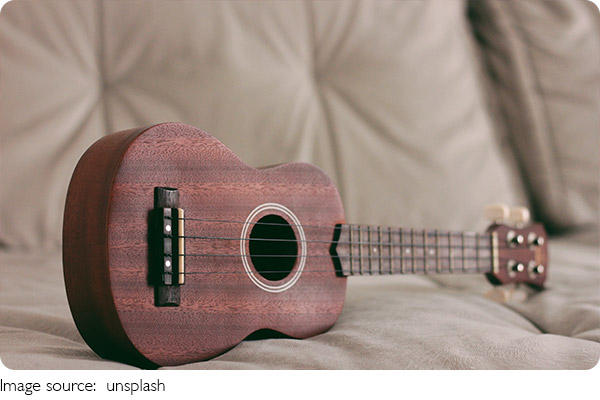
4. Store It Safely
Proper placement is another important part of guitar care. Leaning the instrument against a wall or leaving it on a table may seem convenient, but an accidental bump can easily send it to the floor.
We can use a stable guitar stand or keep the instrument inside a well-padded case when it is not being played. The stand should be placed away from doors, narrow walkways, and busy areas. When we take the guitar somewhere else, a protective case can help reduce pressure, scratches, and accidental impacts during transportation.
5. Check the String Height
String height, also called action, has a strong effect on how comfortable a guitar feels. When the strings sit too high, we may need extra pressure from our fingers to play notes clearly. This can make practice feel tiring, especially during longer sessions.
When the strings are too low, unwanted buzzing may appear when we press certain frets. We can pay attention to these changes while playing. If the action feels noticeably different, professional adjustment can help restore a more comfortable setup without making unnecessary changes ourselves.
6. Clean the Strings
Our hands leave moisture and natural residue on the strings whenever we play. Over time, this can make them feel rough and may affect their sound. A simple cleaning habit can help keep them feeling smoother.
After each playing session, we can use a soft, dry cloth to gently wipe along the strings. We can pay extra attention to the areas that receive frequent contact. Regular wiping takes only a minute or two, but it can make the next practice session feel cleaner and more comfortable.
Build a Simple Care Routine
We do not need to spend a lot of time maintaining a guitar. A quick inspection, stable humidity, protection from direct sunlight, safe storage, proper string height, and regular string cleaning can form a practical routine.
These habits also help us become more familiar with the instrument. When we regularly check its condition, we are more likely to notice unusual sounds, loose parts, or changes in playing comfort at an early stage.

Keep Your Guitar Ready
Lykkers, caring for a guitar is really about small actions repeated over time. When we give the strings, wood, bridge, frets, and storage environment a little attention, we can create better conditions for enjoyable playing.
The next time we finish a practice session, let us spend two extra minutes checking the instrument and wiping the strings. That simple habit can become part of our daily music routine. Which guitar-care step will you start with today?
How to Clean & Maintain Your Acoustic Guitar
Video by Collaborate Worship Music