Dog Health Care Guide

Owen Murphy
| 23-06-2026
 · Animal Team
Caring for a Dog’s health means more than reacting when they are sick. It involves daily habits, prevention, and attention to physical and emotional wellbeing.
A consistent care routine helps dogs stay active, comfortable, and less prone to common health issues.
1. Nutrition and Healthy Diet
A proper diet supports energy levels, immune function, and long-term health. Dogs should be fed food suitable for their age, breed size, and activity level. Fresh water should always be available to support digestion and overall body function.
Maintaining a healthy weight is important to reduce stress on joints and internal organs.

2. Exercise and Physical Activity
Regular movement helps maintain muscle strength, heart health, and mobility. Daily walks and play sessions also support mental stimulation and reduce stress-related behaviors.
Consistent activity helps prevent obesity and supports a balanced lifestyle.
3. Preventive Health Care
Routine veterinary visits help detect health issues early. Vaccinations, parasite prevention, and general health screenings are important parts of preventive care.
Noticing early changes in appetite, behavior, or energy can help address potential problems sooner.
4. Hygiene and Grooming
Good hygiene supports skin, coat, and overall comfort. Regular brushing helps remove loose hair and keeps the coat clean. Bathing should be done based on coat type and lifestyle.
Nails, ears, and teeth should also be maintained regularly to prevent discomfort and infection.
5. Emotional Wellbeing
Emotional health is just as important as physical health. Dogs need companionship, attention, and mental stimulation.
Interactive play, training, and daily interaction help reduce boredom and support stable behavior.
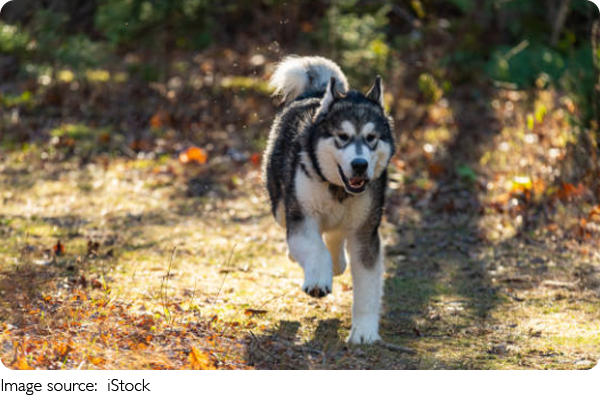
Supporting a dog’s health requires consistent care across nutrition, exercise, hygiene, prevention, and emotional wellbeing. A structured routine helps improve quality of life and supports long-term health stability.