Polar Bears' Diet

Naveen Kumar
| 20-04-2026
 · Animal Team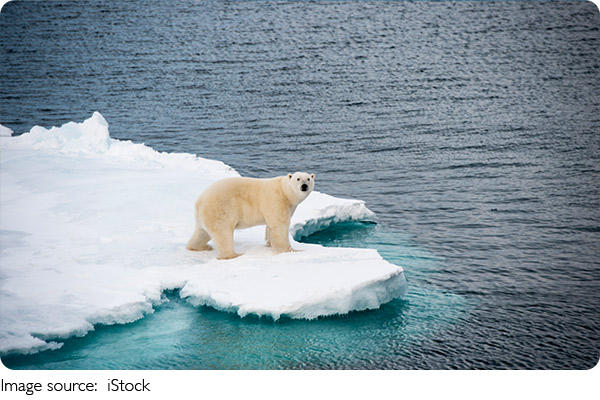
Introduction to Polar Bears' Feeding Habits
Polar bears are one of the most iconic and formidable predators of the Arctic. As large carnivores, their diet is crucial for survival in one of the planet's harshest climates.
Unlike other bear species that have more varied diets, polar bears are highly specialized hunters. Their primary food source is rich in nutrients and helps them sustain their enormous size. Let's dive into what these magnificent creatures eat and how they have adapted to thrive in icy regions.
1. Seals: The Polar Bears' Primary Prey
The majority of a polar bear's diet consists of seals, particularly ringed seals and bearded seals. Polar bears are expert hunters, primarily hunting seals by waiting near breathing holes in the ice. Once a seal surfaces for air, the bear strikes with incredible speed and strength. The fatty tissue of seals provides polar bears with the necessary calories to survive the frigid environment, especially during the long winter months.
2. Seal Hunting Techniques
Polar bears have several unique techniques to catch seals:
1. Stalking and Waiting: Bears often spot seals from a distance and silently approach the breathing holes in the ice.
2. Ice Fishing: They use their paws to break through ice when they sense a seal below the surface.
3. Ambush: Some polar bears hide by the edge of ice floes, waiting for seals to come close enough to pounce.
These methods highlight the bear's patience and remarkable ability to adapt to its environment.
3. Scavenging: An Opportunistic Feeder
Although polar bears primarily rely on seals, they are also opportunistic feeders. They will scavenge when the opportunity arises. For example, they may feed on carcasses of dead whales or seals that have washed up on shore. This scavenging behavior is especially common during the summer months when seals are less abundant and the ice is melting, making hunting more challenging.
4. Impact of Climate Change on Their Diet
As the Arctic continues to warm due to climate change, the sea ice that polar bears rely on is melting earlier in the season and refreezing later. This affects their ability to hunt seals. In some areas, polar bears are spending more time on land, which forces them to scavenge and survive on lower-calorie food. This change is putting additional stress on their health, as seals are becoming harder to hunt.
5. Other Food Sources: Berries and Insects
While polar bears are primarily carnivores, they have been observed eating some plant-based foods. During the summer months, when they are on land, they might consume berries, roots, and even insects. However, these food sources are incidental and do not provide the nutritional value they receive from seals. This behavior typically happens when seals are harder to find or when polar bears are waiting for the ice to refreeze.
Conclusion
Polar bears are perfectly adapted to survive in the icy Arctic, and their diet is a testament to their prowess as apex predators. Seals remain their main source of nutrition, providing essential fats and proteins to sustain their massive bodies. However, with the changing climate affecting the availability of sea ice and their food sources, polar bears face new challenges. Their ability to adapt to these changes will be crucial for their survival in the coming decades. As we continue to learn more about these fascinating creatures, understanding their diet and habitat needs will be key in ensuring their future.