Grizzly Bear Cubs
Ravish Kumar
| 20-04-2026
 · Animal Team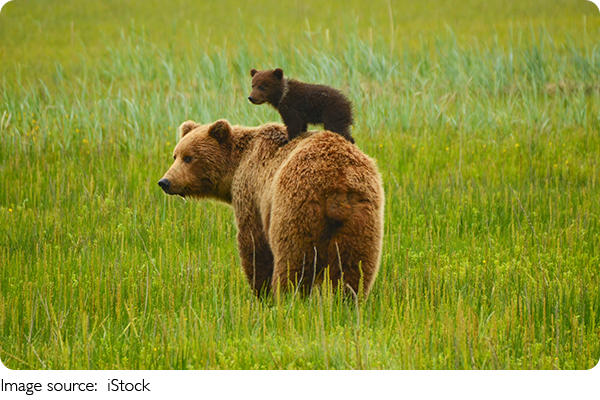
The Birth of Grizzly Bear Cubs
Grizzly bear cubs are born during the winter months, typically between January and February, while their mothers are hibernating in dens.
At birth, cubs are incredibly small and helpless, weighing only about a pound. They are blind, deaf, and completely dependent on their mother for warmth and nourishment. The first few months of life are critical, as they rely solely on their mother's care.
First Steps in the Wild
By spring, the cubs begin to open their eyes and start their initial steps in the world. Their mother is highly protective during this stage, ensuring that they stay close and safe from predators. Cubs learn by mimicking their mother's behavior, such as foraging for food, climbing trees, and observing how to avoid danger. This is a time of rapid learning and development as the cubs grow stronger and more independent.
Surviving the Summer
Summer is an important time for grizzly cubs to learn how to hunt and find food. While they may continue to suckle from their mother, they also begin eating solid foods, such as berries, plants, fish, and even small animals. Cubs usually follow their mother during the foraging process, and she teaches them the best techniques for scavenging and hunting. Cubs' physical abilities also improve as they become faster and more agile, helping them navigate the rough terrain of their natural habitat.
During this time, the cubs become increasingly curious about their surroundings and their interactions with their mother. They often play and explore, which is essential for developing social and survival skills. However, their playtime is also a way for them to build strength and coordination, which will serve them as they grow older.
Facing Challenges and Threats
Despite the nurturing care of their mother, grizzly bear cubs face many challenges. One of the most dangerous threats is the risk of predation. While mature grizzlies are at the top of the food chain, cubs are vulnerable to predators such as wolves, mountain lions, and even other fully grown bears. The mother is incredibly vigilant, often attacking or fleeing to protect her cubs if she senses danger.
Another challenge is the harsh environmental conditions they must endure. Grizzly bears live in areas where weather can be unpredictable, with extreme temperatures and rough terrain. Cubs are exposed to these elements, and their ability to adapt to these challenges is essential for their survival.
The Independence Journey
By the time they reach 1-2 years old, grizzly bear cubs are nearly ready to strike out on their own. They will still remain with their mother during the first couple of years of life, but as they grow older, they will become more independent. Cubs start to explore areas away from their mother's influence and will begin to establish their own territories.
Around 2-3 years old, cubs will generally leave their mother's side to begin their journey into adulthood. At this point, they have developed the skills they need to survive, including foraging, hunting, and self-defense. However, leaving the protection of their mother is a significant step, and the challenges of surviving in the wild on their own will test their resilience and strength.
Conclusion
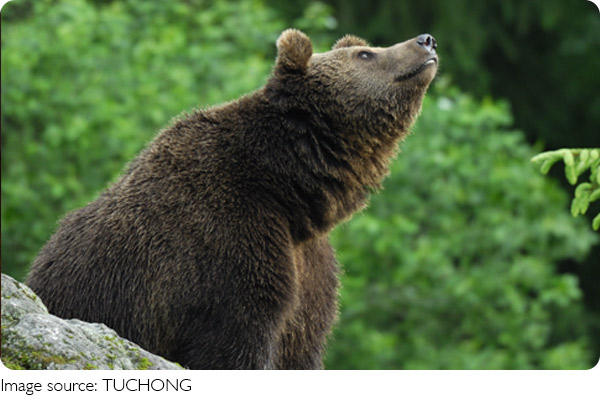
The life of a grizzly bear cub is filled with trials, learning experiences, and growth. From birth to independence, each stage of their development is crucial for their survival in the wild. Their bond with their mother is strong, but eventually, they must face the world alone. As these cubs grow into mighty grizzlies, they will continue to play an essential role in their ecosystems, just as their mothers have before them.