Kids Room Design

Raghu Yadav
| 16-04-2026
 · Lifestyle Team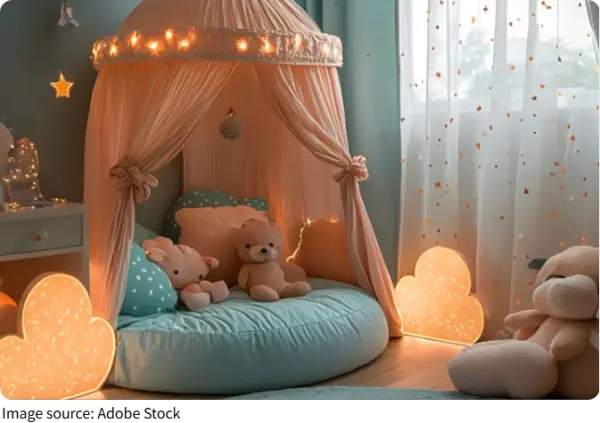
A children's room is more than just a sleeping space. It is a place where children grow, learn, play, and build their sense of independence.
We all want children to have a joyful and healthy childhood, and a well-designed room plays an important role in that journey. In this guide, we will walk through how to design a room based on age, safety needs, color choices, storage habits, and personal preferences.
1. Room Design by Age Stages
1. For babies aged 0 to 3, the focus is on comfort and companionship. At this stage, children usually stay close to caregivers, but we can still create a soft play area. A clean floor mat or crawling space with soft toys is ideal. Regular cleaning is important to keep the environment hygienic. We also need to ensure fresh air circulation when using foam-based play materials.
2. For ages 4 to 6, children begin developing independence. We can introduce small furniture like a low table, a small shelf, and toy storage. This is also a great time to encourage drawing and simple creative activities. The space should remain open so children can move freely.
3. For ages 7 to 12, learning becomes more important. A dedicated study corner is necessary. A simple desk with proper seating helps children build focus and good habits. Storage for books and learning tools should be easy to access.
4. For ages 12 and above, the room should support full independence. We can divide the space into clear zones: sleeping, studying, relaxing, and storage. This structure helps children manage their time and space more effectively.
2. Safety Comes First
Safety is the most important part of any children's room design. We should always reduce risks and create a secure environment.
1. To prevent electrical risks, sockets should have protective covers and exposed wires should be avoided. Furniture should be designed with rounded edges to reduce impact from accidental bumps. If sharp edges exist, soft padding can be added.
2. For healthier indoor air, we should choose eco-friendly furniture and safe wall materials. Proper ventilation is essential before and after moving in. Wall decorations should be installed using safe and stable methods.
3. Window safety is also very important. Protective locks or safety guards can help reduce risks while still allowing fresh air and natural light.
4. To prevent tipping or falling objects, all shelves and cabinets should be firmly fixed to the wall. Lightweight and stable furniture is always a better choice for children.
3. Lighting Design for Comfort and Focus
Natural light is very important, but artificial lighting must also be carefully planned. A main ceiling light can brighten the whole room, with a comfortable brightness level suitable for daily use.
In the sleeping area, lighting should be soft and gentle. Adjustable lamps are a good choice because they reduce direct brightness and create a calm atmosphere.
In the study area, lighting should be focused but not harsh. A desk lamp that protects the eyes helps children read and write comfortably.
We should avoid overly decorative lighting that may distract or affect visual comfort. Wall lamps can be a practical option for saving space and reducing accidental contact.
4. Color Choices for a Calm Environment
A children's room does not need to be overly colorful. A simple and balanced color style is often more comfortable and long-lasting.
Soft neutral colors like white, light gray, soft green, and light beige create a calm and relaxing space. Too many bright colors may make the room visually overwhelming and can affect relaxation.
For older children, we can introduce light theme differences based on personal preference. For example, soft green tones for boys and light purple or beige tones for girls. However, the main goal is always comfort and harmony rather than strong contrast.
5. Smart Storage and Organization
Children often have many items such as toys, books, and small personal belongings. Good storage design helps keep the room tidy and organized.
We can use the idea that only a small portion of items needs to be visible, while most items are stored neatly away. Frequently used items should be easy to reach, while seasonal or rarely used items can be stored in closed spaces.
Built-in wardrobes, wall shelves, and under-bed storage are all useful solutions. Storage boxes with wheels can also help children learn to organize their own items easily. A clear separation between clothing, toys, and books makes daily life more organized.
6. Personal Style and Activity Areas
Every child has different interests. A well-designed room can include activity areas based on those interests.
Some children enjoy climbing or building activities, so we can add simple play structures or creative wall panels. Others may prefer quiet creative spaces with drawing boards or reading corners. Soft seating or small tents can also make the room more fun and comfortable.
The sleeping area should always remain stable and safe, with a low bed height for easier access. The study area should include an adjustable chair to support healthy posture as the child grows.
A Room That Grows With the Child
A children's room is not just a design project. It is a growing space that evolves with the child’s age, personality, and needs. By focusing on safety, comfort, lighting, storage, and personalization, we can create a space that truly supports development.
Lykkers, when designing a children's room, what do you think matters most: comfort, creativity, or organization?
13 Kids Room Design Ideas | Small Bedroom Interior Design | Apartment Tour | Space Saving #2
Video by Beit