Grace in Thin Air

Caleb Ryan
| 07-01-2026
 · Animal Team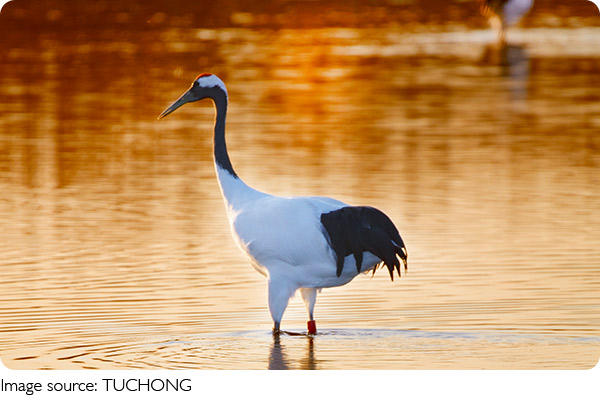
You're walking along a quiet wetland at sunrise when you notice something tall and white moving through the mist.
Then you spot the bright red patch on the head and realize you're looking at red-crowned cranes.
They don't hurry. They don't flap in panic. They simply move with the kind of calm you wish you could bottle and take home for stressful days.
The crane with the red crown
A tall, striking bird
Red-crowned cranes are among the tallest cranes in the world, with adults standing close to human shoulder height. Their white feathers contrast beautifully with black wing tips and that bright red patch on the head, which is actually bare skin rather than feathers. When they spread their wings, the span can reach well over two meters, creating a shadow that looks almost unreal against the pale sky.
Wetlands as home
They thrive in marshes, shallow rivers, and lakes with plenty of reeds and grasses. These wetlands give them space to feed, rest, and raise young. Because they prefer quiet open areas, you'll rarely see them in crowded places. If you've ever spent time near a still body of water and felt more peaceful just being there, you already understand why cranes choose these landscapes.
Actionable wildlife-watch tip
If you're bird-watching, stay still and keep your distance. Cranes will relax and behave naturally if they don't feel pressured by people nearby.
A love story written in dance
Famous courtship rituals
Red-crowned cranes are known for their elegant dances. They bow, leap into the air, flap their wings, and sometimes toss small objects like tufts of grass. What's beautiful is that the dance isn't just for courtship. Pairs that have already bonded often dance again, almost like renewing a promise.
Long-term bonds
Many pairs stay together year after year, returning to familiar nesting territories. They defend these areas firmly but calmly, using displays before resorting to physical confrontation. Their connection looks steady and coordinated, as if they always know what the other bird is about to do next.
Actionable observation idea
If you're watching cranes through binoculars, look for synchronized movements—like both birds calling together or stepping in rhythm. These signals help strengthen their bond.
Raising the next generation
Building the nest
When the breeding season begins, cranes gather reeds and grasses to build a raised nest platform above shallow water. Both parents take part in caring for the nest, which helps protect the eggs from land-based predators.
Learning to live in the wild
Chicks hatch covered in soft down and soon start following their parents through wetland plants. They learn where to find food, how to stay alert, and how to move safely across uneven ground. The family may stay together for up to a year, which gives the young birds time to practice important survival skills.
Actionable family-friendly activity
If you're teaching kids about birds, have them draw a simple wetland scene and add the crane family together. It's a great way to show how cooperation works in nature.
What they eat and how they live
A flexible diet
Red-crowned cranes feed on a wide range of foods: aquatic plants, seeds, fish, small amphibians, and sometimes insects. This varied diet helps them adapt to changing seasons and shifting water levels.
Calm but alert behavior
They often walk slowly with deliberate steps, scanning their surroundings as they go. But when danger appears, they react quickly. Their height gives them an excellent field of vision, and being cautious helps them stay safe in open habitats.
Actionable nature-note challenge
Next time you're outside, try slowing your pace and really noticing your surroundings. You'll appreciate how awareness changes the way you move—just like the cranes.
A fragile symbol of wild beauty
Dependent on healthy wetlands
Because they rely so strongly on marshes and shallow lakes, the loss of wetland environments poses a serious threat to their survival. When wetlands are drained or polluted, cranes lose nesting areas and reliable feeding grounds.
Protected, but still at risk
Conservation programs, protected reserves, and careful habitat management have helped support remaining populations. Still, their numbers are not large, which makes every preserved wetland incredibly important.
Actionable small-scale step
You don't have to live near cranes to help. Supporting wetland conservation groups, learning about water-quality issues, or volunteering locally for habitat restoration all play a role in keeping these landscapes alive.
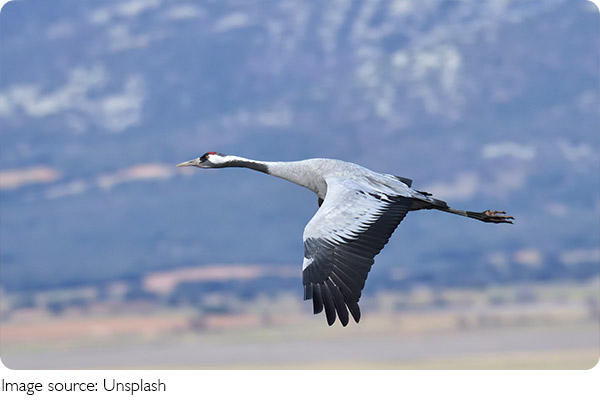
Watching a pair of red-crowned cranes lift into the air at dusk is one of those quiet moments that stays with you. Their flight feels unhurried, their calls echo softly across the water, and for a second, the world seems calmer. These birds remind us that grace doesn't come from perfection—it comes from balance, awareness, and moving gently through the spaces we share with nature.